

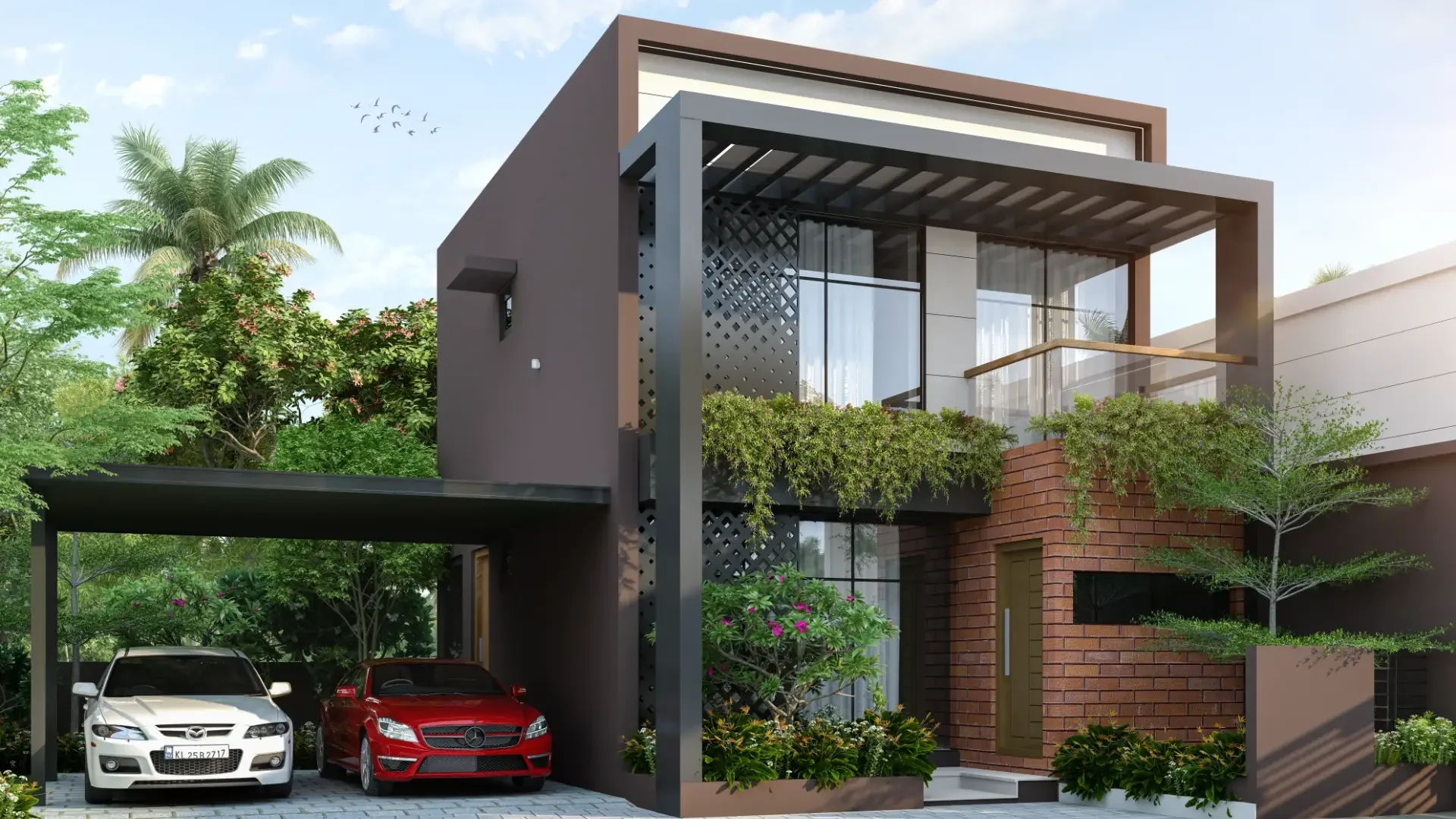




As Trivandrum’s real estate market surges forward in 2026, fueled by IT expansions at Technopark, metro rail progress, and a booming NRI investor base, villas remain a top choice for those seeking spacious, premium living with strong appreciation potential. With average villa prices hovering around ₹5,790 per sq ft and projects ranging from ₹35 lakhs for compact units to over ₹10 crore for luxury estates, the market promises 10-15% annual growth through 2030. However, in this competitive landscape, rushing into a purchase without due diligence can lead to costly pitfalls. Whether you’re a local professional, NRI, or first-time buyer, here’s a comprehensive checklist of the five critical things to verify before signing on the dotted line for a villa in Trivandrum.
1. Legal Compliance and Documentation: Ensure a Clean Title and RERA Adherence
In Kerala’s regulated real estate environment, legal clarity is non-negotiable—especially with RERA’s stringent mandates now fully enforced in 2026. Start by scrutinizing the property’s title deed (Sale Deed or Gift Deed) for uninterrupted ownership history spanning at least 15-30 years, confirming no shared claims or disputes. Obtain an Encumbrance Certificate (EC) from the Sub-Registrar’s office, ideally for the past 13-30 years, to verify the villa is free from liens, mortgages, or litigation.
RERA compliance is mandatory for all villa projects exceeding 500 sq m or involving more than eight units, requiring registration with the Kerala Real Estate Regulatory Authority (KRERA). Check the project’s RERA certificate on the official portal (rera.kerala.gov.in) for details like completion timelines, developer disclosures, and quarterly updates. From January 2026, sale agreements must include RERA numbers, and NRIs need additional proofs like passport, PAN, and overseas address verification. Also, confirm building permits, occupancy certificate (OC), and environmental clearances to avoid delays in possession. Engage a local lawyer specializing in Kerala property laws to conduct a title search—it’s a small investment that safeguards your ₹1 crore+ asset.
2. Location and Infrastructure Connectivity: Bet on Growth Corridors
Trivandrum’s villa hotspots like Kazhakkoottam, Pothencode, and Attingal are transforming, but location dictates both lifestyle and ROI. Prioritize areas with robust connectivity: Proximity to NH-66, the upcoming metro Phase 1 (expected full operations by mid-2026), and the Trivandrum International Airport (under 15 km from most suburbs). Infrastructure upgrades, including flyovers on the Kazhakkoottam-Thumba road and Technopark expansions, are driving 20-25% price hikes in these zones, making them ideal for long-term holds.
During site visits, assess neighborhood factors: Access to schools (e.g., Christ Nagar near Technopark), hospitals (KIMS or Sree Uthradom), and essentials like supermarkets. Check for flood-prone areas—Trivandrum’s coastal vulnerability has improved with 2026 drainage projects, but verify elevated plots. Use Google Maps or local drives to time commutes during peak hours. Emerging trends favor eco-zones near Technocity, where villas benefit from green buffers and reduced congestion. A well-connected villa could yield 5-7% rental returns from IT professionals, outpacing city averages.
3. Builder Reputation and Construction Quality: Inspect for Durability
With over 90 villa projects underway in Trivandrum, builder track record is key to avoiding construction delays or subpar finishes. Research the developer’s history via RERA complaints portal and reviews on platforms like 99acres or MagicBricks—opt for established names like Sobha, Skyline Builders, or Shanoor Homes, known for timely deliveries. Verify the project’s progress: For under-construction villas (common in 2026’s luxury segment), insist on site visits to check foundation stability, material quality (e.g., earthquake-resistant RCC frames), and Vastu compliance popular in Kerala.
Focus on build specifics: Villas should feature 1,500-3,600 sq ft layouts with modular kitchens, rainwater harvesting, and solar-ready roofs—aligning with 2026’s eco-luxury trends. Test amenities like clubhouses, pools, and security systems. Hire a third-party structural engineer for a pre-purchase inspection to flag issues like poor ventilation or uneven flooring, which could cost ₹5-10 lakhs to rectify later.
| Key Quality Checks | What to Verify | Red Flags |
|---|---|---|
| Materials & Finishes | Anti-termite treatment, branded fittings (e.g., Kohler) | Cheap imports, visible cracks |
| Structural Integrity | Load-bearing walls, seismic compliance | Delayed foundation work |
| Amenities | Gym, landscaped gardens, 24/7 CCTV | Overpromised but under-delivered |
4. Financial Aspects: Pricing, ROI, and Hidden Costs
Trivandrum’s villa market in 2026 offers entry points from ₹49 lakhs for 2BHKs in outskirts like Malayinkeezh (₹3,312/sq ft) to ₹2 crore+ for 4BHK gated luxuries in Pothencode (₹7,000+/sq ft). Benchmark prices against recent sales on Housing.com or 99acres to ensure you’re not overpaying—aim for 10-15% below market for negotiations. Calculate ROI: Expect 8-12% capital appreciation annually, driven by infra-led demand, plus 4-6% rental yields from NRI or tech tenants.
Factor in hidden costs: Stamp duty (5-7% in Kerala), registration fees (1%), GST on under-construction (5-18%), and maintenance (₹5,000-10,000/month in gated communities). For NRIs, repatriation limits apply—consult a CA for FEMA compliance. Secure home loans at 8-9% interest from banks like SBI, but get a valuation report to avoid loan shortfalls. Tools like EMI calculators on NoBroker can help project affordability.
5. Sustainability and Future-Proofing: Align with 2026 Trends
Sustainability isn’t a buzzword in 2026—it’s a mandate. Check for green certifications like IGBC or EDGE, ensuring energy-efficient features such as LED lighting, insulated walls, and EV charging stations, which boost resale by 15%. In Trivandrum’s humid climate, verify water management: Borewell yields, sewage treatment plants, and rainwater systems are essential amid water scarcity concerns.
Look ahead: Villas near upcoming developments like the Vizhinjam Port expansion or smart city extensions in Attingal will appreciate faster. Community aspects matter too—gated villas with wellness amenities (yoga spaces, organic farms) appeal to eco-conscious buyers. Review the project’s master plan for phased expansions to ensure no future encroachments.
Final Thoughts: Your Roadmap to a Smart Villa Investment
Buying a villa in Trivandrum in 2026 is an opportunity to secure not just a home, but a legacy asset in one of India’s most livable cities. By methodically checking these five pillars—legal docs, location, quality, finances, and sustainability—you’ll mitigate risks and maximize returns. Partner with RERA-registered agents and conduct multiple site visits. With the market poised for steady, infra-driven growth, acting now could lock in pre-surge prices. Happy house hunting—your dream Kerala villa awaits!